Learning Experience 1 Resources
Supporting Resources:
- The Sovereign Hill Official Website is an invaluable resource for both teachers and students. It provides comprehensive historical context about the gold rush era, including detailed descriptions of daily life, mining techniques, and significant events. The website also includes interactive maps, videos, and teacher resources that can help bring history to life in the classroom. Students can explore primary and secondary sources, such as historical documents, images, and personal stories from the 1850s. This aligns well with the Year 5 History curriculum, as it encourages inquiry-based learning and helps students develop historical thinking skills (Australian Curriculum, Assessment and Reporting Authority [ACARA], 2023). Teachers can use this resource to prepare students for their visit to Sovereign Hill and extend their learning afterward. Website: https://sovereignhill.com.au

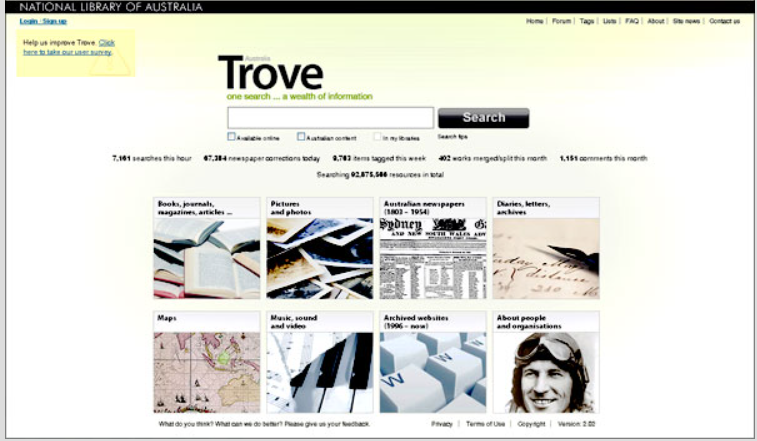
- Trove – Digital Newspaper Archives: National Library of Australia Trove is an incredible free digital archive hosted by the National Library of Australia. It provides access to historical newspapers, letters, maps, and photographs from the 19th century, many of which document the Victorian gold rush. Students can read actual newspaper articles from the 1850s, gaining insight into how people experienced and reported the events of the time. This resource is particularly useful for developing students’ historical inquiry skills, as they can analyze perspectives from the past and compare them with modern interpretations. Teachers can guide students in examining primary sources and discussing bias in historical narratives, a key component of historical literacy (Seixas & Morton, 2013) Website: https://trove.nla.gov.au

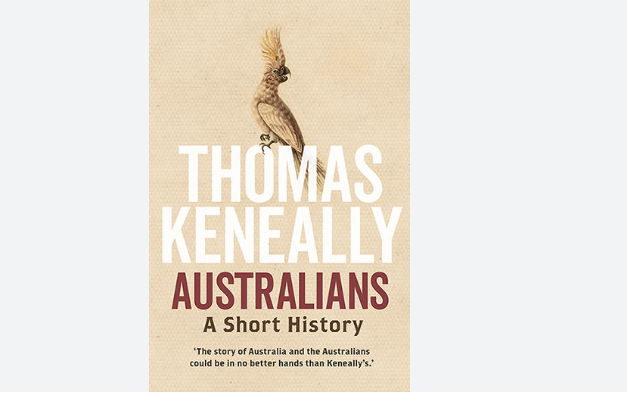
- “Australians: Origins to Eureka” by Thomas Keneally: This historical novel by Thomas Keneally vividly brings the Gold Rush to life through storytelling. The book follows miners, women, and law enforcers, offering personal perspectives on daily struggles, hopes for fortune, and conflicts with authorities. While not a primary source, it helps students connect emotionally with history by exploring real-life challenges, such as the harsh working conditions and injustices faced by miners. Teachers can assign excerpts where characters discuss life in the diggings, encounters with bushrangers, and the fight for miners’ rights, linking directly to classroom discussions on social structures and economic opportunities. This resource supports narrative-based learning, making historical concepts more accessible and relatable for students.

- Goldfields Maps and Miners’ Licenses (Visual Resource): Historical maps of Ballarat’s goldfields and replica miners’ licenses from the State Library of Victoria provide valuable visual tools for understanding life on the diggings. Students will examine how gold mining settlements expanded over time, comparing maps from different decades to track economic and social changes. By analyzing a replica miner’s license, they can discuss issues of fairness and government control, leading to debates on whether these regulations were justified. These documents encourage source analysis, helping students understand how written policies shaped everyday life for different social groups, including European and Chinese miners.