Learning Experience 2 Resources
1. Sovereign Hill Online Collection
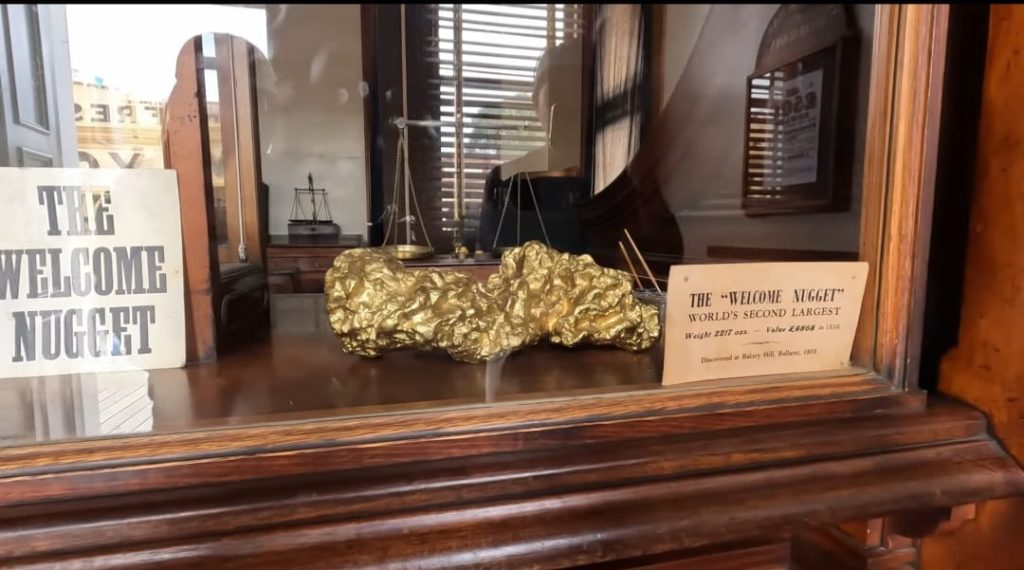
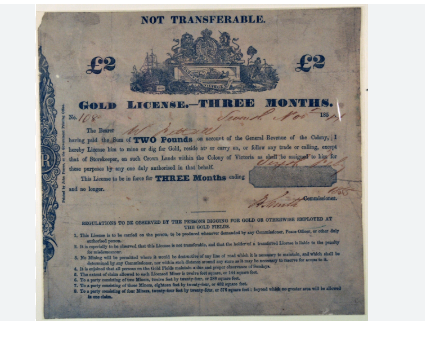
The Sovereign Hill Museums Association provides an extensive digital archive of letters, newspaper articles, and official mining documents from the 1850s. This resource allows students to engage with authentic primary sources, analyzing how gold discoveries influenced society. For example, students can examine a mining license and discuss its impact on miners. The website also includes high-resolution images of historical artifacts, enabling students to explore how tools, clothing, and personal belongings reflect life on the goldfields. By using this collection, students can practice evaluating historical evidence in a meaningful way, making connections between the past and present. This resource supports the Australian Curriculum’s historical inquiry approach by encouraging students to question and interpret evidence critically.
2. Kids News – Australian Gold Rush Articles
Kids News, an educational site by News Corp, offers a series of engaging and age-appropriate articles on the Australian gold rush. These articles simplify complex historical information while maintaining accuracy, making them perfect for Year 5 students. The site also includes quizzes, discussion prompts, and writing tasks that encourage students to engage critically with the content. Since literacy is a fundamental part of the HASS curriculum, this resource supports both history and English learning outcomes by integrating reading comprehension and critical thinking activities (Marsh, 2019).
Website: https://www.kidsnews.com.au
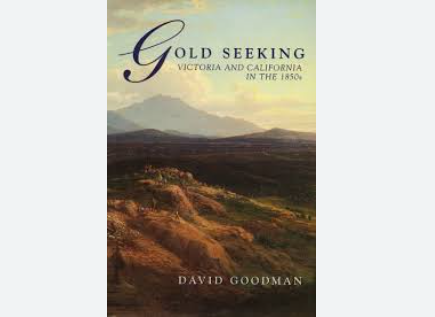
3. “Gold Seeking: Victoria and California in the 1850s:” by David Goodman
David Goodman’s book “Gold Seeking: Victoria and California in the 1850s” provides a well-researched exploration of life on the goldfields, drawing on letters, diaries, and newspaper reports to paint a vivid picture of miners’ daily struggles. This resource helps students contextualize primary sources by providing background information on key events, social hierarchies, and government policies. A particularly engaging section describes the harsh realities of mining life, highlighting personal accounts of disease, crime, and economic hardship. Students can use these narratives to compare their own analysis of primary sources, strengthening their historical thinking skills. This book supports inquiry-based learning, encouraging students to connect personal stories to broader historical themes.
4. Goldfields Photography Collection
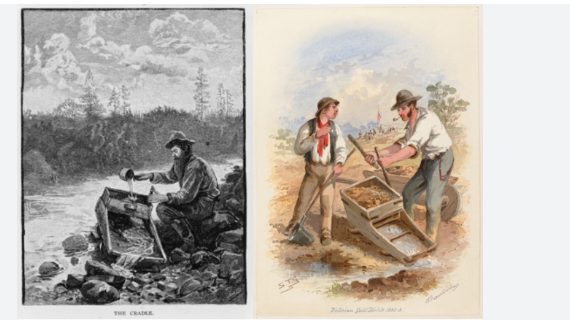
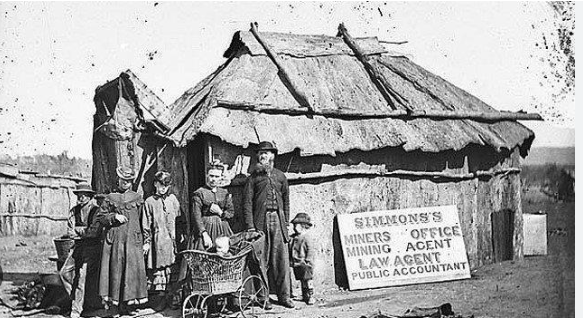
A curated selection of historical photographs from the State Library of Victoria provides students with a visual representation of life on the goldfields. These images capture key aspects of the era, including miners at work, crowded tent cities, and Chinese immigrants in the diggings. Students will analyze the photographs by asking: What details can we observe? What story is being told? What perspectives might be missing? This resource promotes visual literacy and encourages students to consider how photographs function as historical evidence. Comparing these 19th-century images to modern photographs of mining communities also supports critical thinking and discussion about continuity and change in Australian society.